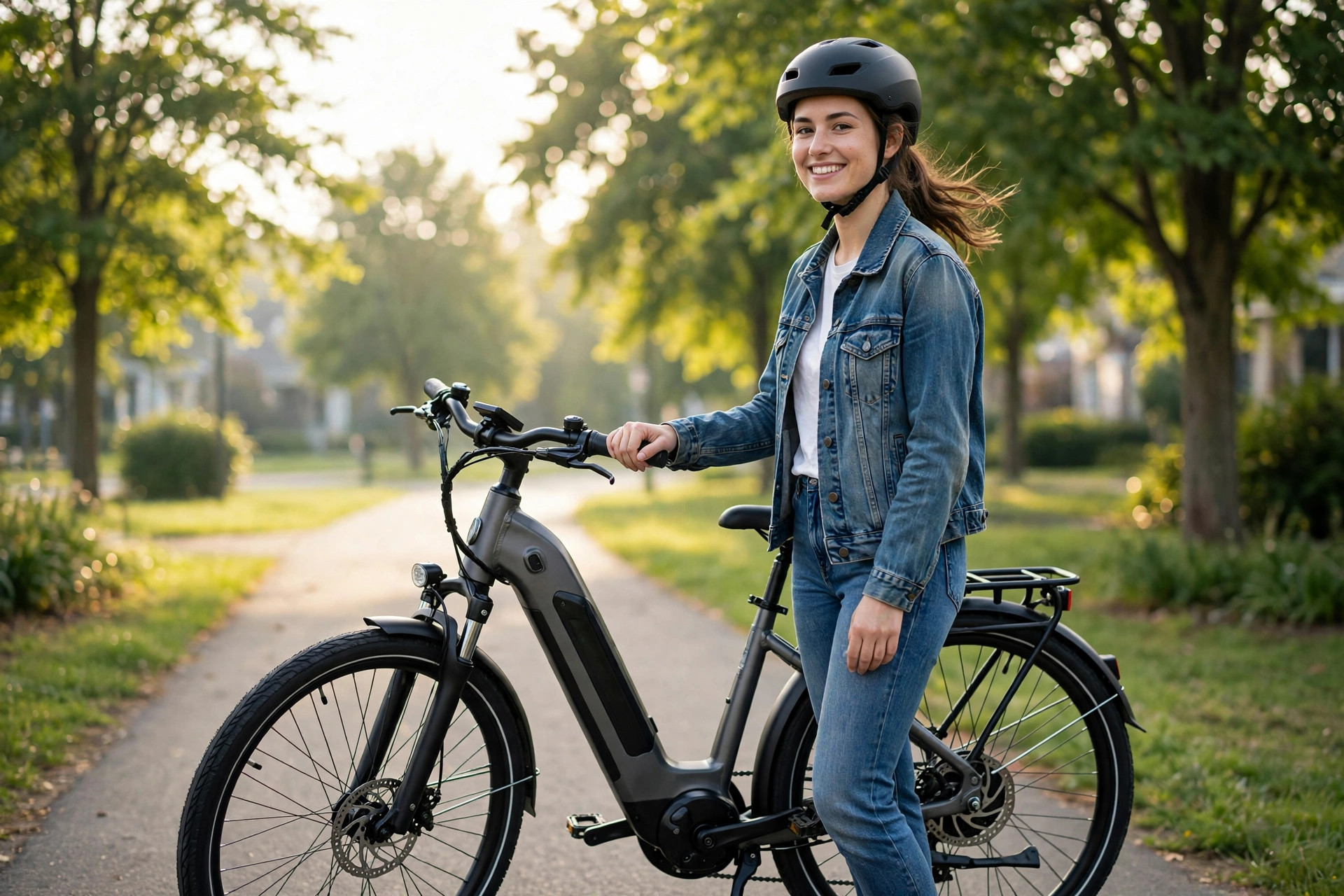
Under $1,000 is where ebike shopping gets dangerous — it's also where the best values live. The difference between a $900 bike you'll ride for years and a $900 mistake is almost never the motor wattage on the spec sheet. It's the battery certification, the brake quality, and whether the company will exist when you need a part. These five clear that bar.
What $1,000 actually buys
Set expectations correctly: under $1,000 gets you a hub motor (not mid-drive), mechanical or entry hydraulic disc brakes, and a 350–500Wh-ish battery. That's plenty for commuting and errands — it is not a mountain bike and not a cargo hauler. Every pick below is a Class 1/2/3 compliant bike from a brand with a real service footprint. If you haven't read it yet, what to know before buying your first ebike covers the classes and the total-cost math.
The five picks
1. Lectric XP Lite2 — $899 (sale; $799 in Arctic White on Amazon)
The benchmark budget ebike. 300W rear hub (819W peak), 375Wh standard battery (672Wh long-range option), up to 45 miles claimed, 20 mph Class 2, and just 49 lbs — 41 with the battery out. The folding frame, Gates carbon belt drive (no chain maintenance, ever), and hydraulic disc brakes at this price are genuinely unusual. UL 2849/UL 2271 certified electrics. Best for: commuters who want the safest sub-$1,000 bet from the brand with the biggest owner community. Watch out: the 300W nominal motor is modest — fine on flats, working hard on real hills.
2. Hiboy P6 Fat Tire — $999.95 (sale)
The power pick: 750W rated (1,000W peak), ~557Wh battery, 25–31 miles throttle / 50–62 pedal assist claimed, and 26×4-inch fat tires with a front suspension fork. Class 3 capable (28 mph pedal assist). Best for: heavier riders, rough roads, and anyone who wants maximum motor for the money. Watch out: 65 lbs is a lot of bike — don't plan on carrying it upstairs. Fat tires are comfy but slower and thirstier than narrow ones.
3. Jasion EB5 — $379.99
The price-floor pick: 350W motor, 360Wh removable battery, 25–40 miles claimed, 20 mph, 7-speed Shimano drivetrain, front suspension. At this price it's the cheapest credible way to find out if ebike life is for you. Best for: budget-first buyers and short, flat commutes. Watch out: 360Wh is a small battery — budget real-world range around 15–25 miles. Verify the current Amazon price before buying; it moves around.
4. Hiboy EX6F Low-Step Foldable — $949.99 (sale)
The comfort pick: low-step 15.7-inch frame, 3-point folding, 20×4.0-inch fat tires, ~696Wh UL 2849-certified battery with up to 75 miles claimed, hydraulic front fork, and a rear rack rated for 110 lbs. Fits riders 4'9" to 6'5". Best for: riders who want easy mounting, big battery, and cargo capacity in one folding package. Watch out: fat-tire folders are bulky even folded — measure your trunk or closet first.
5. Gotrax F1V2 Folding — $904.98
The lightweight folder: ~46.7 lbs, 350W hub motor, 499Wh removable battery, ~22 miles throttle / ~40 pedal assist claimed, 20 mph, mechanical disc brakes, LCD display with 5 assist levels, LED headlight and reactive tail light. Best for: apartment dwellers and multi-modal commuters who carry the bike daily. Watch out: mechanical discs need more hand effort and more frequent adjustment than hydraulics; single-speed means the motor does the hill work.
How to choose between them
- Flat commute under 8 miles: Jasion EB5 or Gotrax F1V2 — don't overbuy.
- Hills, rough roads, or heavier rider: Hiboy P6's 750W motor earns its keep.
- Easy on/off and big range: Hiboy EX6F's low step and 696Wh battery.
- Safest all-round bet: Lectric XP Lite2 — belt drive, hydraulics, huge community.
Whichever you pick, budget the kit: accessories (~$150–$250), a helmet, and read the battery guide before your first charge.
Frequently asked questions
Are sub-$1,000 ebikes reliable?
The ones from established brands, yes — with realistic expectations. You'll get hub motors, basic displays, and heavier frames than $2,000 bikes, but the core job (assisted commuting) works. Avoid no-name listings with impossible specs.
How much range will I really get?
Plan on 60–70% of the claimed figure for normal riding. A bike claiming 40 miles typically delivers 24–28 in the real world.
Should I buy the extended battery?
If your round trip is more than half the bike's realistic range, yes — running a battery to empty daily shortens its life. Otherwise the standard pack is fine.