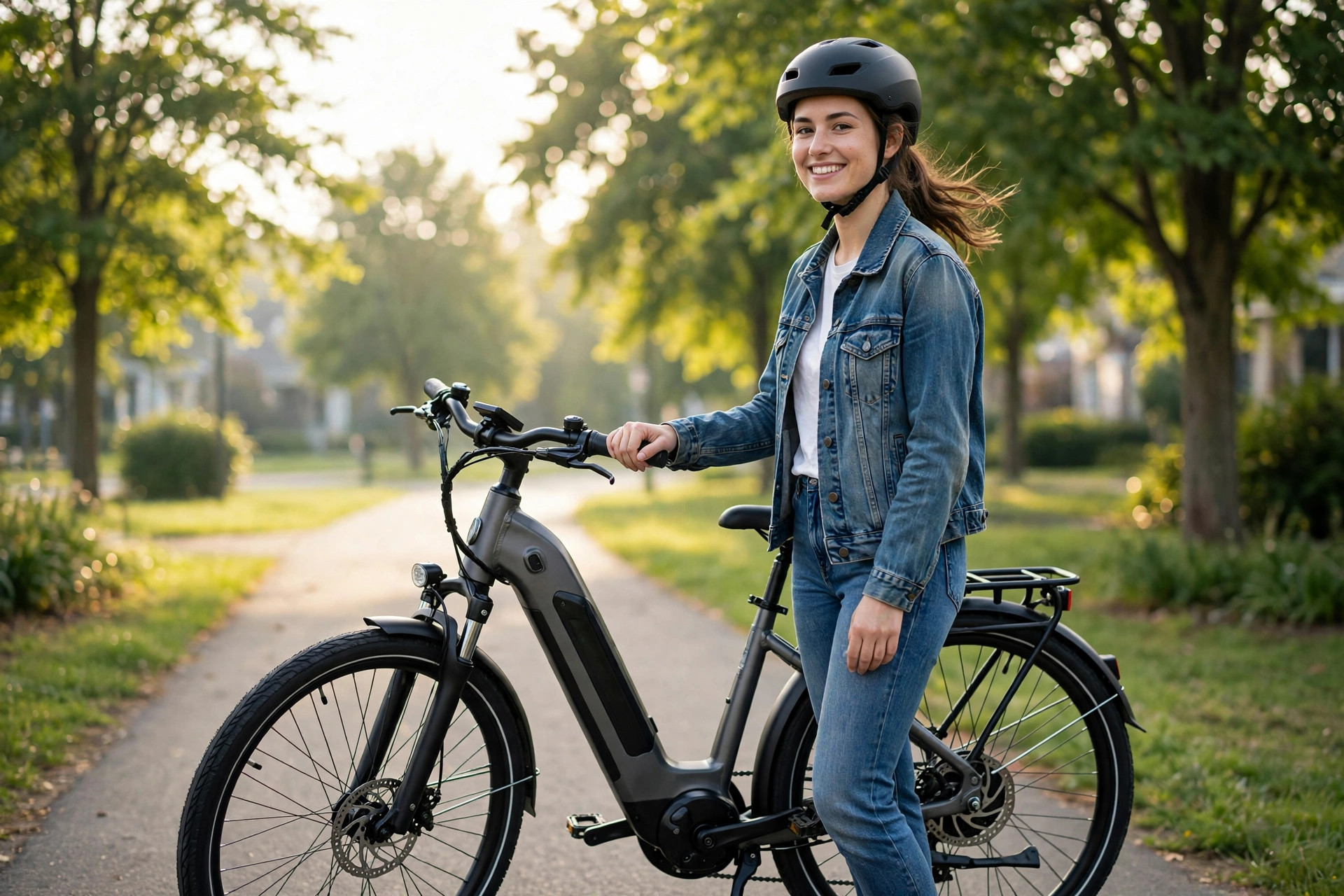
At 28 mph you carry more than five times the crash energy of a 12 mph pedal-bike spill. A helmet is the one accessory that's non-negotiable — and at ebike speeds, the details matter more: rotational protection (MIPS), e-bike-specific certification (NTA-8776), and a fit you'll actually wear daily.
What to look for
- CPSC certification, minimum. Every helmet sold for cycling in the US must meet the CPSC standard — never buy one without the sticker. It's the floor, not the ceiling.
- MIPS (or equivalent). A low-friction layer that reduces rotational forces in angled impacts — which is how most real crashes happen. Worth paying for.
- NTA-8776 e-bike rating. A Dutch standard testing helmets at higher impact speeds for e-bike use (up to ~28 mph). The meaningful upgrade over basic CPSC for fast ebikes.
- Fit you'll wear. The best helmet is the one on your head. Dial-fit retention, honest sizing, and comfort for your head shape beat any feature list.
The four picks
1. Bern Hudson MIPS — $159 ($149 at some retailers)
The e-bike specialist: MIPS plus NTA-8776 certification rated for e-bike speeds, extended shell with extra rear and temple coverage, 13 vents with internal airflow, rechargeable Click-Mount LED light included, visor included, and bike-lock-compatible rear vents. Best for: Class 3 riders and anyone who wants the highest certified protection in a normal-looking helmet. Watch out: the extended shell runs warmer than airy road helmets — fine for commuting, less ideal for hot-climate training rides.
2. Lumos Ultra Plus MIPS — $189.95
The visibility pick: MIPS, NTA-8776 e-bike rated, and 98 COB LEDs built in — front light plus rear lights with turn signals, visible up to ~1,475 feet, 1100mAh USB-C rechargeable (up to 10 hours), with a companion app for flash patterns. Best for: night commuters and anyone riding in traffic — being seen is protection too. Watch out: it's the priciest here and heavier than non-light helmets; you're buying the light system as much as the helmet.
3. Thousand Heritage 2.0 — $99.95
The style pick: CPSC + ASTM certified, active ventilation, magnetic no-pinch buckle, vegan leather straps, PopLock anti-theft feature (lock it to your bike), magnetic tail-light compatible. Best for: riders who'll actually wear a good-looking helmet every day. Watch out: no MIPS and no NTA-8776 — you're trading top-tier impact tech for style and convenience. Fine for Class 1/2 cruising; less ideal for 28 mph Class 3.
4. Schwinn Thrasher — $19.99–$29.99
The budget baseline: CPSC certified, 21 vents, 360° dial-fit retention, adjustable straps, removable visor, 4.7 stars from 22,000+ Amazon ratings. Best for: proving to yourself that helmets aren't a big deal — any certified helmet beats none. Watch out: no MIPS, basic construction. This is the floor, and an honest one — upgrade when the riding gets serious.
Fit and replacement: the unglamorous essentials
- Measure your head (circumference just above the eyebrows) and use the size chart — between sizes, try both if you can.
- Level and snug: the helmet sits level, two fingers above the eyebrows; shake your head — it shouldn't wobble.
- Replace after any crash or hard drop. EPS foam is single-use; invisible damage is still damage. Most manufacturers suggest replacement every 3–5 years regardless.
Pair the helmet with the rest of the safety kit: a good lock, USB lights, and a mirror — and understand your battery before your first charge.
Frequently asked questions
Do I need a special ebike helmet?
Not legally in most places, but NTA-8776-rated helmets are tested for higher-speed impacts that match Class 3 riding. If you ride at 28 mph, it's the right tool.
Is MIPS worth it?
Yes. Most real crashes involve angled impacts with rotational forces, which is exactly what MIPS addresses. It's a modest premium for meaningful protection.
Can I use a skateboard helmet?
Only if it's dual-certified for cycling (CPSC + ASTM, like the Thousand above). Skate-only certification doesn't cover the impact profile of a 20+ mph bike crash.